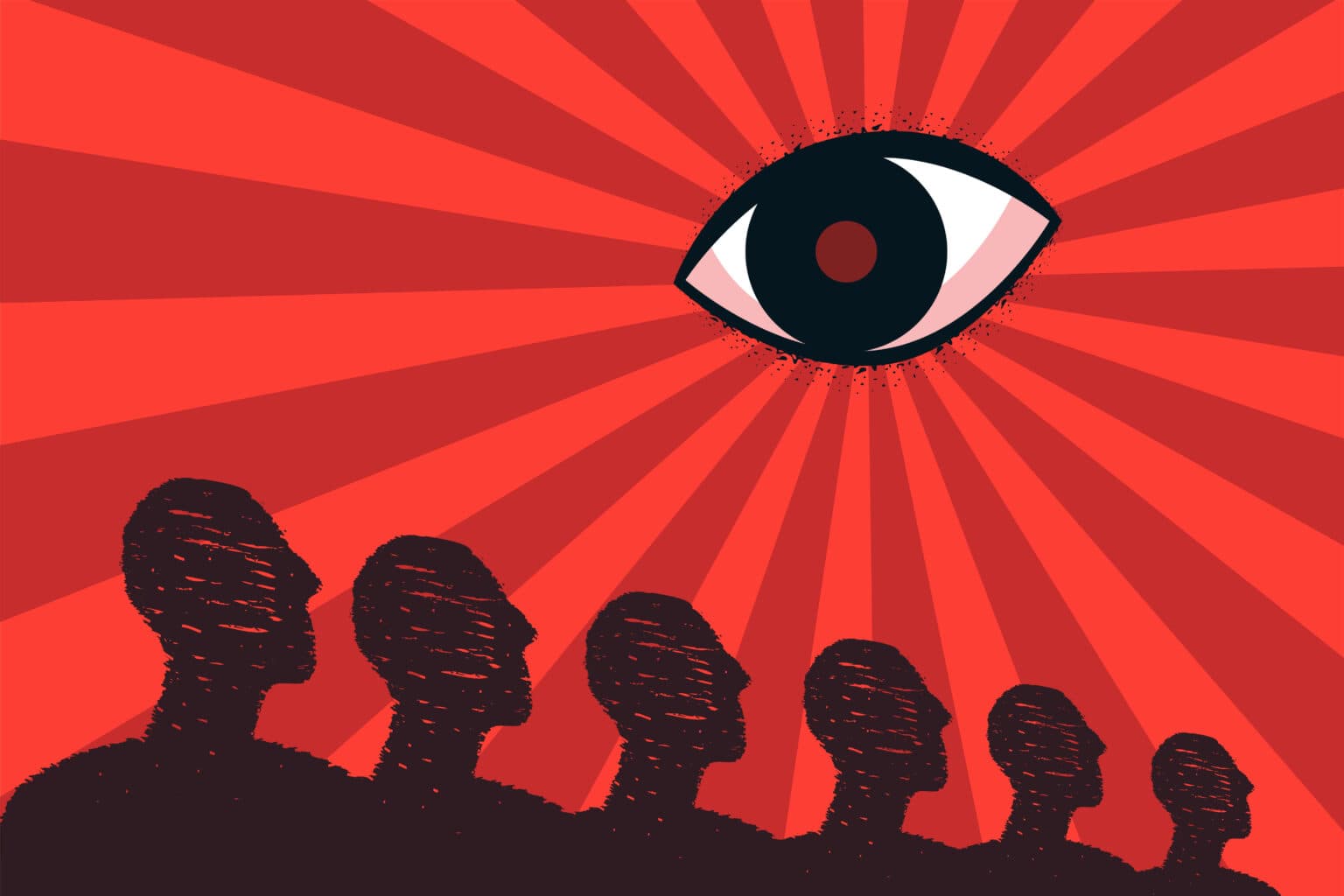
Understanding Totalitarianism
AI-Generated / June 11, 2026
Understanding Totalitarianism: A Simple Explanation
Abstract
Totalitarianism is a type of government. In this system, the state has total control over everything. It controls public life and private life. It controls what people think, say, and do. This article explains the main ideas of totalitarianism. It looks at its characteristics, how it works, and why it is dangerous.
1. What is Totalitarianism?
Totalitarianism is a political system. In this system, the government has absolute power. It is not like a democracy. In a democracy, people have freedom and choices. In totalitarianism, people have no freedom. The state controls:
- What people say.
- What people read.
- What people think.
- Where people live.
- What people do for work.
The government wants to control everything. Nothing is private.
2. Key Characteristics of Totalitarianism
Totalitarianism has some important features:
A. One Leader or One Party
There is only one leader or one political party. People cannot vote for someone else. There are no other parties. The leader has all the power.
B. State Controls Everything
The government controls the economy, media, education, and religion. It also controls art and culture. Everything must support the state.
C. Secret Police and Fear
The government uses secret police. These police watch people. They arrest anyone who disagrees with the government. People live in fear. They are afraid to speak freely.
D. No Freedom of Speech
People cannot say what they think. They cannot criticize the government. They cannot write against the state. If they do, they go to prison.
E. Propaganda
The government uses propaganda. Propaganda is information that is not true. It is used to control people's minds. It tells people what to believe. It makes the leader look perfect.
F. Control of History
The government controls history. It changes the past. It teaches only what the state wants. People learn a fake version of history.
3. Historical Examples of Totalitarianism
There are famous examples from history:
A. Nazi Germany (1933-1945)
Hitler was the leader. He controlled everything. He used propaganda and fear. He arrested people who disagreed. He killed millions of people. He wanted to control all of Europe.
B. The Soviet Union under Stalin (1920s-1953)
Stalin was the leader. He had complete power. He sent millions of people to labor camps. He controlled the media. He told people what to think. He changed history to make himself look good.
C. North Korea Today
North Korea is a modern example. The leader has total power. People cannot leave the country. They cannot speak against the government. They are told what to think. They live in poverty and fear.
4. How Totalitarianism Works
Totalitarianism uses different methods to stay in power:
1. Fear and Terror
People are afraid. They know if they speak against the government, they will be punished. This fear keeps people quiet.
2. Propaganda and Lies
The government tells people what to believe. It uses media, schools, and posters. It repeats the same message every day. People begin to believe it.
3. Removing Individual Identity
People are not individuals. They are part of the state. They have no personal rights. They must serve the government.
4. Controlling Information
People cannot access the truth. They cannot read books from outside. They cannot watch foreign news. They only see what the state shows them.
5. Mass Surveillance
The government watches everyone. It listens to phone calls. It reads messages. It knows what people do. This makes people obey.
5. Why is Totalitarianism Dangerous?
Totalitarianism is dangerous for many reasons:
- It takes away human rights. People have no freedom.
- It uses violence. The government hurts people who do not obey.
- It destroys truth. People do not know what is real.
- It creates fear. People cannot live peacefully.
- It can lead to genocide. Some totalitarian governments kill millions of people.
6. How to Recognize Totalitarianism
Here are some signs of a totalitarian system:
- Only one political party exists.
- The leader has no limits on power.
- The media only praises the government.
- People are afraid to speak freely.
- Schools teach only one version of history.
- There are secret police or informants.
- People cannot leave the country.
- Religion is controlled or banned.
If you see these signs, the country may be totalitarian.
7. How to Resist Totalitarianism
Resisting totalitarianism is very hard. But some things can help:
- Speak the truth. Tell people what is really happening.
- Learn about history. Know how totalitarianism starts.
- Support democracy. Democracy gives people power.
- Stand together. People united are stronger.
- Protect human rights. Everyone deserves freedom.
8. Conclusion
Totalitarianism is a system of total control. The government controls everything in people's lives. It controls what they think, say, and do. It uses fear, propaganda, and violence to stay in power. Totalitarianism is dangerous because it takes away freedom and human rights. We must learn from history. We must recognize the signs. We must protect democracy and freedom for everyone.
Key Words to Remember
- Totalitarianism – A system where the state controls everything.
- Democracy – A system where people have freedom and choose their leaders.
- Propaganda – False information used to control people's minds.
- Secret Police – Police who watch people and arrest those who disagree with the government.
- Surveillance – Watching and listening to people.
- Human Rights – Basic freedoms that every person should have.
Suggested Sources for Further Reading
- Arendt, Hannah. The Origins of Totalitarianism.
- Orwell, George. 1984 (a famous novel about totalitarianism).
- Orwell, George. Animal Farm (a short novel about power and control).
- Solzhenitsyn, Aleksandr. One Day in the Life of Ivan Denisovich (about life in a labor camp).